Velvet Ants in Kansas City
Learn how to identify velvet ants, what attracts them, and how to protect your home throughout the Kansas City metro.
Call (913) 738-STAR
About Velvet Ants
Velvet Ants are a pest that may be encountered in and around homes or structures and should be identified correctly so the right control strategy can be used.
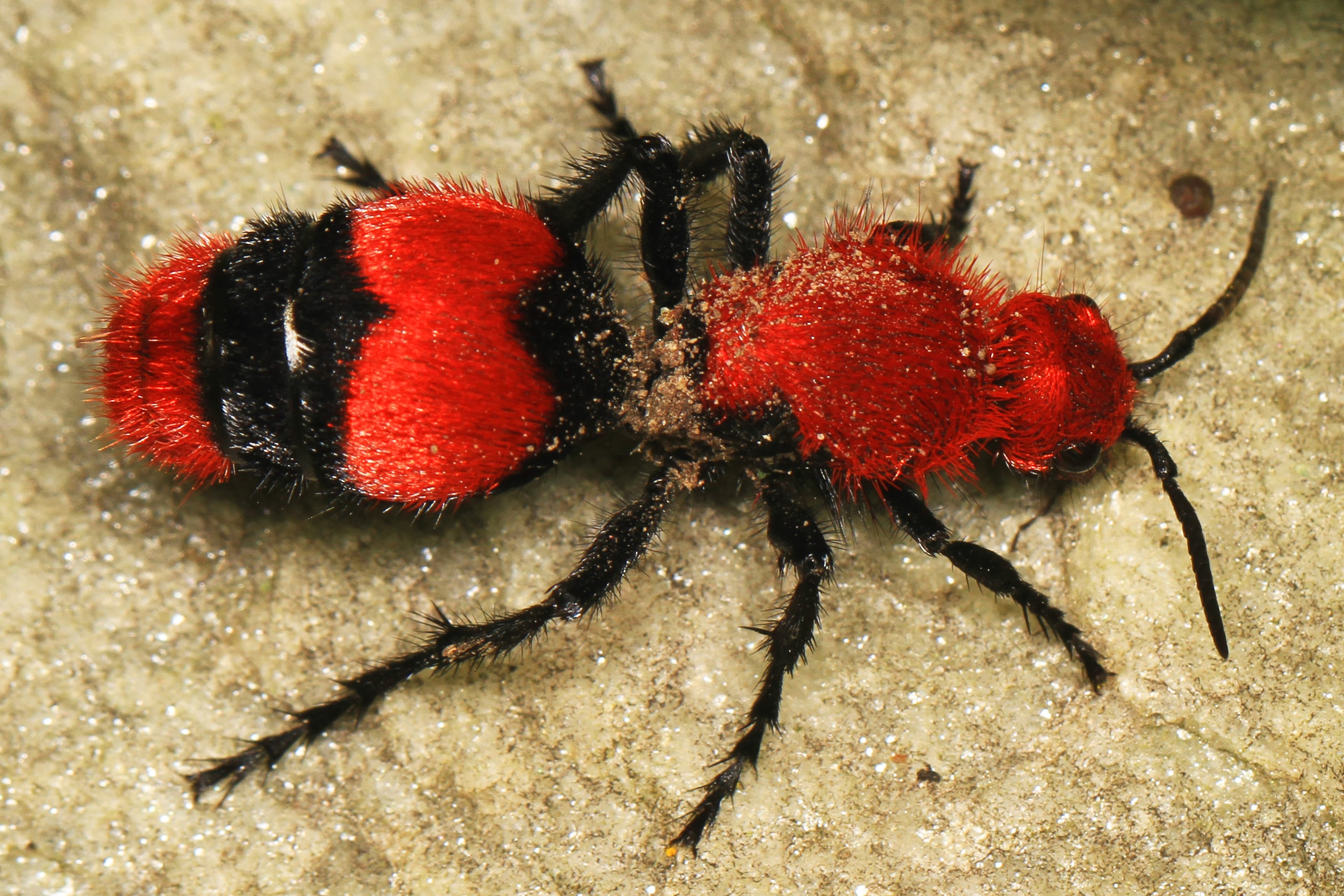
Velvet Ants Facts, Risks & Prevention
The more you know about velvet ants, the easier it is to spot activity early and protect your home before the problem gets worse.
Biology
Velvet Ant lives in colonies with workers, brood, and reproductives. Colony growth is influenced by food, moisture, and shelter availability.
Behavior
Velvet Ant commonly forages in trails and may invade structures while searching for food or moisture.
What Attracts Them
Food crumbs, sweets, grease, moisture issues, and entry gaps can attract velvet ant.
Life Cycle
Velvet Ant develops through egg, larval, pupal, and adult stages.
Signs of Activity
Visible trailing ants, indoor sightings, activity near kitchens or sinks, and colonies around foundations are common signs of velvet ant.
Damage / Risk
Velvet Ant is mainly a nuisance pest, though some ants may contaminate food or nest inside structural voids.
Seasonality
Velvet Ant activity often increases in warmer months but indoor infestations may persist year-round.
Prevention Tips
Seal entry points, reduce moisture, keep food sealed, clean spills promptly, and address conducive conditions.
Monitoring
Monitor kitchens, bathrooms, utility lines, and foundation edges for recurring velvet ant activity.
Seeing Velvet Ants in Your Home?
Don’t wait for the problem to get worse. Get fast, professional pest solutions from a locally owned company with over 30 years of experience.