Bald Faced Hornets in Kansas City
Learn how to identify bald faced hornets, what attracts them, and how to protect your home throughout the Kansas City metro.
Call (913) 738-STAR
About Bald Faced Hornets
Bald Faced Hornets are a pest that may be encountered in and around homes or structures and should be identified correctly so the right control strategy can be used.
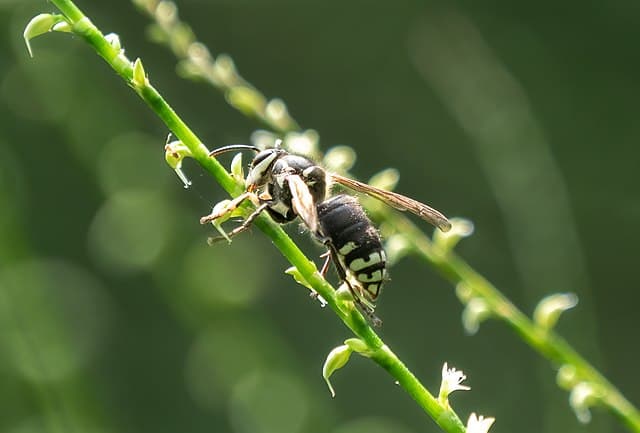
Bald Faced Hornets Facts, Risks & Prevention
The more you know about bald faced hornets, the easier it is to spot activity early and protect your home before the problem gets worse.
Biology
Bald Faced Hornet develops from egg to larva to pupa to adult. Colonies are usually seasonal, with worker populations increasing during warmer months.
Behavior
Bald Faced Hornet may build nests around eaves, voids, shrubs, trees, wall cavities, or ground locations depending on species.
What Attracts Them
Sheltered nesting sites, flowering plants, outdoor food sources, and sugary residues may attract bald faced hornet.
Life Cycle
Bald Faced Hornet develops through complete metamorphosis: egg, larva, pupa, and adult.
Signs of Activity
Visible adults, nest construction, activity around eaves or entry points, and increased flying insects indicate bald faced hornet presence.
Damage / Risk
Bald Faced Hornet can create stinging risk around homes, entrances, play areas, and work spaces.
Seasonality
Bald Faced Hornet activity is usually highest during spring, summer, and early fall.
Prevention Tips
Remove attractants, seal voids, inspect eaves and exterior structures, and treat nests carefully or professionally.
Monitoring
Monitor eaves, soffits, shrubs, sheds, fences, and void entry points for nesting bald faced hornet.
Seeing Bald Faced Hornets in Your Home?
Don’t wait for the problem to get worse. Get fast, professional pest solutions from a locally owned company with over 30 years of experience.